
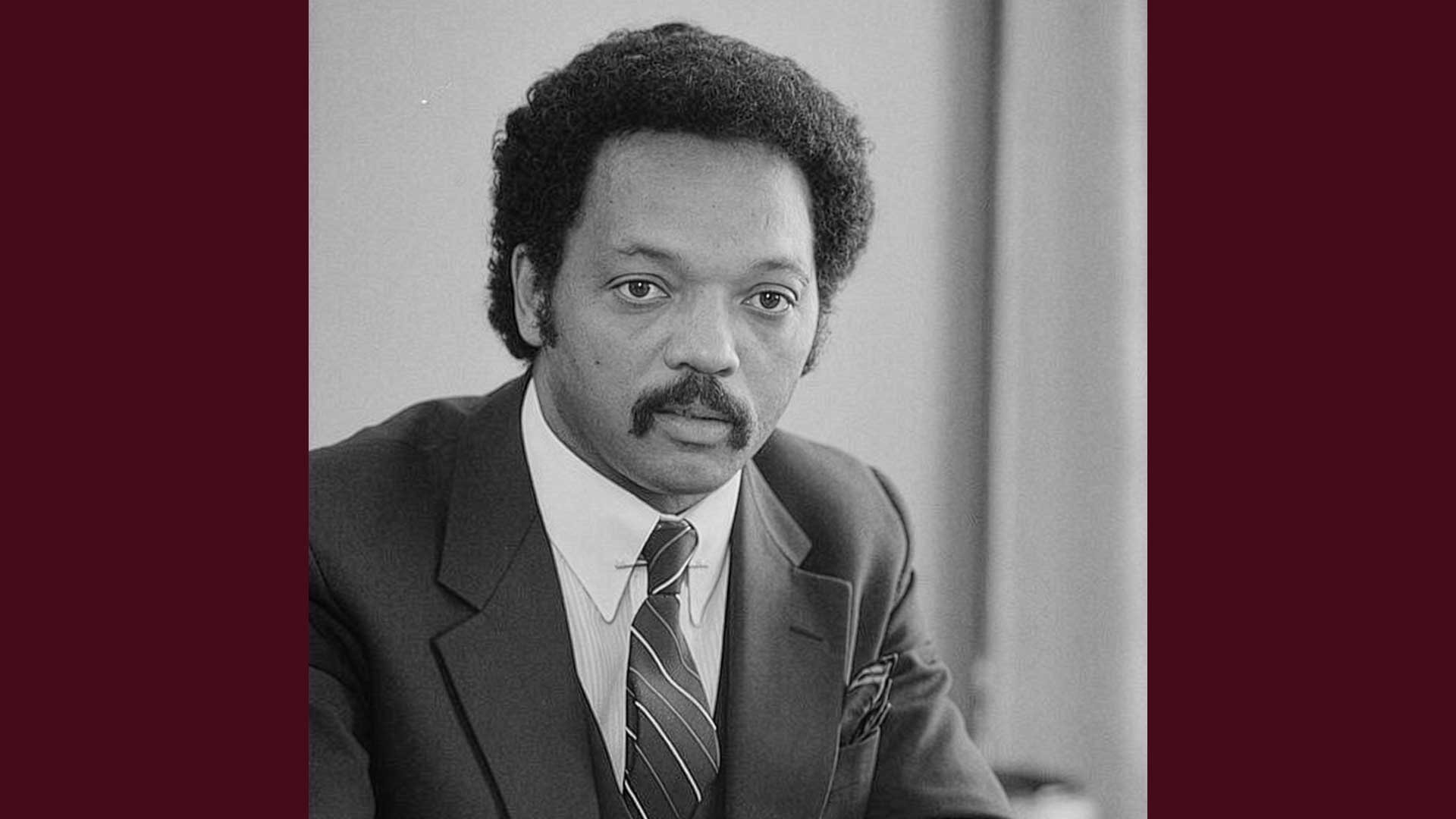
“With other Americans, I mourn the recent passing of Rev. Jesse Jackson, a courageous champion of Civil Rights and celebrate his impactful life. I extend to his wife Jacqueline, and the entire Jackson family, my deepest condolences.
Rev. Jackson joined the movement in 1965 when he answered Dr. King’s call to participate in the Selma to Montgomery march, following the events known as “Bloody Sunday.”
I don’t recall lengthy conversations during that time in Selma with the young Jesse Jackson. There was much to be done and I was busy filing Hosea Williams v. George C. Wallace in Federal Court that permitted the march and provided protection for the marchers.
The previous decade in Montgomery had been a time when every possible segment of the African American community joined forces. Each time the established white leadership would do something, instead of stopping the movement, it cemented it. So, this tremendous power that African Americans demonstrated was the driving force for several productive civil rights activities, culminating in the Selma to Montgomery march that helped create the Voting Rights Act of 1965.
When Rev. Jackson came to Selma, Dr. King had been utilizing the power that he obtained to advocate great causes that would eventually include opposition to the Vietnam War. He was not always successful, but his power opened doors so he could talk to governors, presidents, and heads of state across the globe.
Rev. Jackson became one of Dr. King’s young disciples and he observed the way Dr. King used power. He established a national organization, the Rainbow Coalition, later Operation PUSH, and effectively used power on the national stage.
For the most part the power exercised by Rev. Jackson and many other Civil Rights leaders was both political and social.
I personally always tried to draw from a different power, that of the law. Of course, one would not have worked without the other. The power of the movement created a climate for the evolution of the law. And the power of the law protected the movement and brought the successes that we won.
Rev. Jackson entered the movement at a critical movement. His courageous leadership helped advance human and civil rights on several important fronts.
But Rev. Jackson’ departure comes at another critical moment.
Unfortunately, our basic civil rights are currently under attack in the very arenas we once fought ~ in education, voting rights, due process, and more.
The time has come for social, political, and legal powers to once again join forces in acts of courageous collaboration.
Now is the time to resist the enemy of justice.
Now is the time for people of goodwill, who desire human and civil rights for all, to act.
Furthermore, now is the time for people across generations, from different religions, races, and occupations who believe “injustice anywhere is a threat to justice everywhere” to join forces and act.
I can imagine no greater honor to the courageous life and legacy of Rev. Jesse Jackson than when we join forces in acts of courageous collaboration for the human and civil rights of all of God’s children.”